

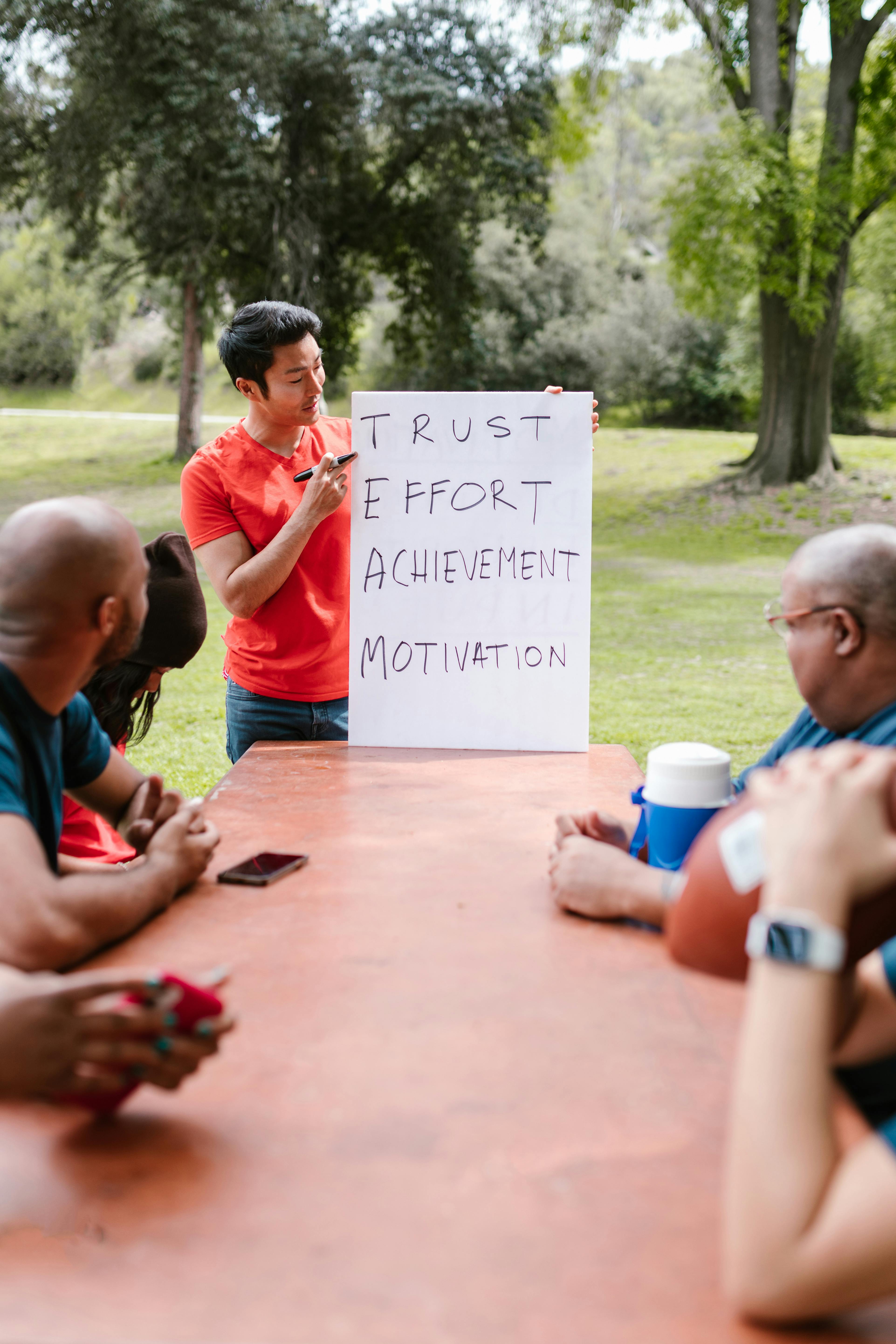
Leadership: More Than a Title, It’s a Feeling
True leadership transcends titles, roles, and formalities—it’s about the genuine impact you have on the people around you. Leadership is an experience you create, rooted in trust, empathy, support, and integrity. Here’s what it means to lead through feeling, not just by title, with examples to show how this type of leadership unfolds.
Leadership Feels Like Trust
Trust is the foundation of authentic leadership. A leader who cultivates trust makes people feel safe to share ideas, take risks, and bring their full selves to the table. Think of a leader who empowers their team by entrusting them with key projects rather than micromanaging. When you trust your team’s capabilities, you give them the freedom to grow and innovate. This trust forms a partnership rather than a hierarchy, making people feel like integral contributors rather than mere subordinates.
Example: Imagine a project manager who assigns responsibilities based on each team member’s strengths and then gives them space to approach the work creatively. By checking in rather than hovering, they signal trust, fostering a culture where team members feel both respected and empowered to make decisions.
- Leadership Feels Like Empathy
Empathy is the ability to understand and share in someone else’s feelings. Leaders who prioritize empathy focus on the people behind the roles. They listen without judgment, seek to understand their team members’ challenges, and respond with compassion. Empathy creates a culture of loyalty and mutual respect.Example: A leader notices one of their team members is unusually quiet and distracted. Instead of assuming a lack of engagement, they privately check in, offering support and flexibility if needed. This act of empathy shows the team member that they’re valued not just for their work but as a person, building a deeper level of trust and loyalty. - Leadership Feels Like Inspiration
Leadership should motivate and inspire people to strive for more—not through pressure or intimidation but through genuine encouragement. Great leaders communicate a compelling vision that resonates, creating a shared sense of purpose. They inspire by example, demonstrating dedication, resilience, and passion.Example: Consider a school principal who actively participates in community outreach events alongside teachers and students, reinforcing the school’s mission of community engagement. Their actions inspire others to volunteer, showing that true leadership doesn’t ask others to do what you wouldn’t do yourself. - Leadership Feels Like Support
True leaders don’t just delegate; they actively support. They show up when things are tough, offering guidance, resources, and encouragement. A leader’s role is to remove obstacles for their team, helping them succeed rather than just holding them accountable.Example: During a high-stress project, a supportive leader recognizes the extra hours team members are putting in. They step in to help where they can, whether by providing resources, helping problem-solve, or simply encouraging people to take breaks. This active involvement shows the team that their well-being is a priority. - Leadership Feels Like Accountability
Accountability isn’t just about holding others to standards—it’s about setting an example by owning your actions. True leaders model accountability, taking responsibility for both successes and failures and encouraging others to do the same. This shared approach builds integrity within the team.Example: After a team project didn’t meet expectations, a leader gathers the team to assess what went wrong. Instead of placing blame, they openly acknowledge their own missteps and encourage constructive feedback, creating a culture of collective responsibility and growth. - Leadership Feels Like Growth
Great leaders foster a culture of growth, both for themselves and their team. They create an atmosphere where learning is continuous, mistakes are opportunities, and personal development is celebrated. This growth-oriented mindset motivates individuals to reach beyond their current abilities.Example: A leader in a tech company dedicates time each month for team members to attend training workshops or pursue certifications. They don’t just talk about growth; they actively encourage and facilitate it. This approach shows that the leader values each person’s professional journey and is committed to their advancement. - Leadership Feels Like Integrity
Leadership grounded in integrity is consistent and fair. Leaders who embody integrity make decisions based on principles, not convenience, and they model ethical behavior, regardless of whether anyone is watching. Integrity fosters a workplace where people feel secure, knowing that decisions are transparent and made with honesty.Example: In a tough situation requiring layoffs, a leader with integrity communicates openly, explaining the difficult decisions and offering as much support as possible to affected employees. This transparency and honesty, even during hardship, build respect and trust in their leadership.
True leadership isn’t about position; it’s about creating experiences that resonate deeply with those around you. When leaders prioritize trust, empathy, inspiration, support, accountability, growth, and integrity, they make people feel valued, seen, and empowered to thrive. Leadership by feeling, not just authority, has the power to transform teams, inspire loyalty, and build a legacy of positive impact.
Share this:
- Tweet
- Print (Opens in new window) Print
- Email a link to a friend (Opens in new window) Email
- Share on Tumblr

- Share on Telegram (Opens in new window) Telegram
- Share on Threads (Opens in new window) Threads
- Share on WhatsApp (Opens in new window) WhatsApp
- Share on Mastodon (Opens in new window) Mastodon
- Share on Nextdoor (Opens in new window) Nextdoor
- Post
- Share on Bluesky (Opens in new window) Bluesky

Related
Discover more from The Growth Blueprint
Subscribe to get the latest posts sent to your email.