

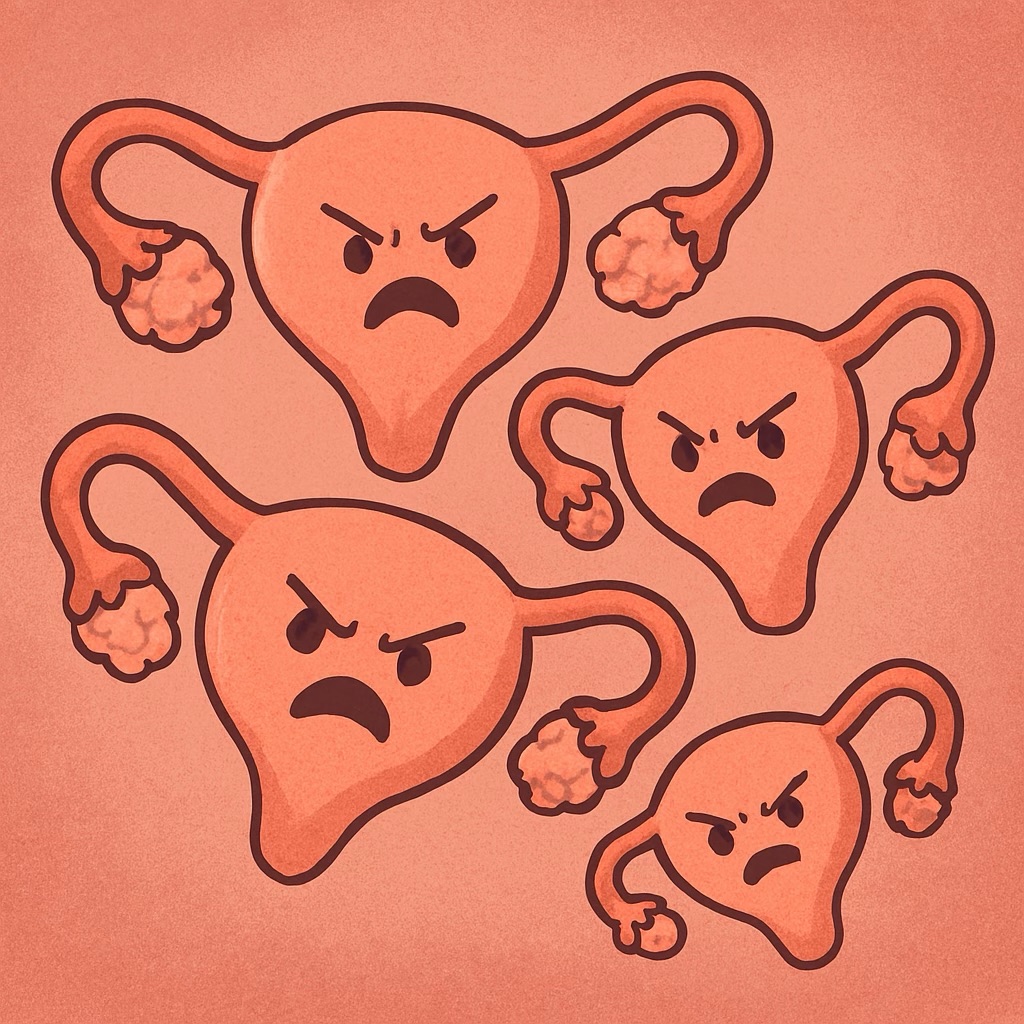
PCOS: When Your Hormones Speak Louder Than Your Words
A MedXpressionz Reflection on Women’s Health, Emotions, and Healing
There are moments in life when you look back and realize your body had been speaking to you all along.
You just didn’t know the language yet.
For many women living with Polycystic Ovary Syndrome (PCOS), that language shows up through exhaustion, emotional waves that feel impossible to control, unexplained weight gain, irregular cycles, and the quiet frustration of not feeling like yourself.
For me, it has been a 27 year journey.
I always suspected something was different about my body. The signs were there. The emotional ups and downs were real. But it took decades before the medical confirmation finally gave a name to what I had been experiencing all along.
Sometimes validation arrives late.
But when it arrives, it brings understanding.
What PCOS Actually Is
PCOS is a hormonal and metabolic condition that affects how the ovaries function. Despite its name, it is not just about cysts.
It is about hormones being out of balance.
Women with PCOS often produce higher levels of androgens, sometimes called “male hormones.” These hormonal changes interfere with ovulation and can create symptoms such as:
• Irregular or missed menstrual cycles
• Weight gain or difficulty losing weight
• Excess hair growth
• Acne or skin changes
• Ovarian cysts
• Fertility challenges
• Mood instability and emotional fluctuations
But there is another side to PCOS that many people do not talk about enough.
The emotional toll.
When hormones fluctuate, your emotions can feel like they are riding waves you did not choose.
How Common Is PCOS?
PCOS is far more common than most people realize.
Studies estimate that 1 in 10 women worldwide live with this condition.
Many women go years or decades without diagnosis.
Some are told their symptoms are normal.
Some are told to just lose weight.
Some are told it is stress.
Meanwhile, their body continues to send signals that something deeper is happening.
The Hormone–Emotion Connection
Hormones are not just about reproduction.
They influence the entire brain–body connection.
PCOS often affects:
• Estrogen
• Progesterone
• Testosterone
• Insulin
These hormonal shifts can influence neurotransmitters in the brain, including those related to mood regulation.
The result?
Sometimes the emotions come fast.
Sometimes they come without warning.
Sometimes you feel like you are reacting more intensely than the situation calls for.
Not because you are dramatic.
But because your biology is involved.
Women with PCOS have higher rates of:
• Anxiety
• Depression
• Mood instability
• Fatigue
• Emotional sensitivity
And when you do not know the cause, it can make you question yourself.
Living With It Before You Have a Name for It
For many women, PCOS begins long before the diagnosis.
You notice your body behaving differently.
Your emotions feel amplified.
Your energy fluctuates.
You start wondering:
“Why does my body feel like it is working against me?”
For me, the awareness was always there.
But the confirmation came 27 years later.
That moment matters.
Because when you finally hear the words that explain your experience, you realize something powerful:
You were not imagining it.
Detecting PCOS
Diagnosis usually involves a combination of medical evaluation and testing.
Doctors often look for three key indicators:
Irregular ovulation or menstrual cycles Elevated androgen levels in blood tests Polycystic appearance of ovaries on ultrasound
If two of these three are present, PCOS may be diagnosed.
Additional tests often evaluate insulin resistance, which is common in women with PCOS.
Early diagnosis can help women better manage symptoms and protect long term health.
The MedXpressionz Way: Healing Naturally and Spiritually
Medical knowledge helps us understand the condition.
But healing also involves how we care for our minds and spirits.
At MedXpressionz, I believe health is never just physical.
It is emotional.
It is mental.
And it is spiritual.
Learning to cope with PCOS has meant listening to my body instead of fighting it.
That includes:
• Managing stress intentionally
• Paying attention to nutrition
• Supporting hormonal balance
• Practicing emotional awareness
• Allowing myself grace during difficult days
And spiritually, it means remembering that God designed our bodies with complexity, not perfection.
Sometimes the journey is not about fixing everything.
Sometimes it is about learning to live in alignment with your body instead of battling it.
A Message to Women Living With PCOS
If your emotions feel overwhelming sometimes…
If your body feels unpredictable…
If you have been searching for answers for years…
You are not alone.
Millions of women are walking this path.
And there is strength in understanding what your body has been trying to tell you.
Diagnosis does not mean defeat.
It means awareness.
And awareness opens the door to healing.
An Affirmation for the Journey
My body is not my enemy.
My emotions are not weakness.
I am learning my rhythm, my balance, and my healing path.
Every day I grow stronger in understanding myself.
The MedXpressionz Reminder
At MedXpressionz, we believe that knowledge empowers healing.
Whether it is understanding hormones, managing stress, or building emotional resilience, your journey matters.
If this message resonates with you, share it with another woman who may be silently navigating the same experience.
Because sometimes the first step toward healing is realizing:
You were never alone in the struggle.
Share this:

Discover more from The Growth Blueprint
Subscribe to get the latest posts sent to your email.