

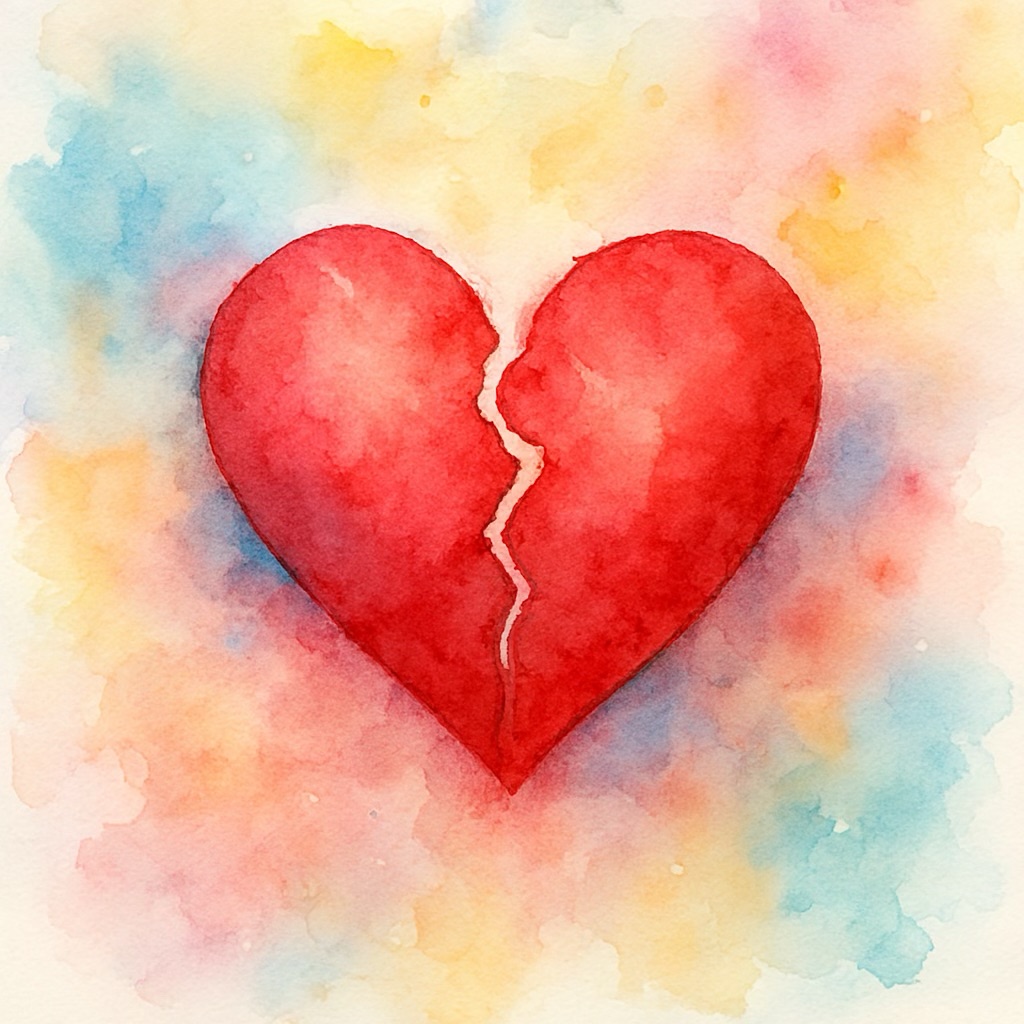
Love Yourself First: Healing Trauma Before It Hurts the People You Love
One of the hardest truths to accept is that love alone cannot heal unaddressed trauma. A caring partner can offer support, patience, and compassion, but they cannot replace the work of healing that must happen within.
Many people enter relationships carrying invisible wounds from childhood neglect, abandonment, abuse, rejection, or years of unmet emotional needs. Those wounds often show up in adulthood as difficulty communicating, fear of intimacy, emotional withdrawal, constant defensiveness, mistrust, people-pleasing, avoidance, or the need to control every conversation. The pain may be old, but the effects are very present.
Healing begins with learning to love yourself first. Self-love is not arrogance or selfishness. It is the willingness to recognize your worth, honor your emotions, establish healthy boundaries, and take responsibility for your own growth. It means refusing to let yesterday’s injuries dictate tomorrow’s relationships.
If you have experienced trauma, give yourself permission to grieve what you did not receive. Maybe you lacked affection, safety, encouragement, or unconditional acceptance. Acknowledge those losses without allowing them to define your future. Healing often involves honest self-reflection, trusted relationships, counseling or coaching when appropriate, spiritual practices, journaling, healthy habits, and learning new ways to communicate and regulate emotions.
Communication is a learned skill. Listening without preparing a rebuttal, validating another person’s feelings, apologizing sincerely, and expressing vulnerability can all be developed with intentional effort. Intimacy is also more than physical closeness. It is emotional safety, consistency, trust, respect, and the courage to be fully seen.
For those who love someone carrying deep wounds, the question often becomes: “How long should I wait for a damaged person to become undamaged?”
The answer is both simple and difficult: wait only as long as there is genuine accountability, measurable growth, and mutual respect. You are not required to sacrifice your own mental health, emotional safety, or future while hoping someone else will eventually change. Compassion should never require self-abandonment.
No one becomes completely “undamaged.” Healing is rarely about erasing scars; it is about learning to live without letting those scars control your choices. The healthiest relationships are often formed between two people who acknowledge their broken places and actively work to become better, together and individually.
Choose partners who are committed to growth, not just aware of their pain. Awareness without action leaves relationships stuck. Healing requires intention, humility, consistency, and time.
Most importantly, remember this: your past may explain your behavior, but it does not have to determine your destiny. You deserve relationships where love is expressed through actions, communication is rooted in respect, and healing is pursued with honesty.
Love yourself enough to heal. Love others enough to encourage their healing. And love wisely enough to know when patience is producing growth and when it is only prolonging your own pain.
Share this:

Discover more from The Growth Blueprint
Subscribe to get the latest posts sent to your email.